
What to Expect During a Pet Emergency Visit in Boise, ID
Facing a sudden medical crisis with a pet is a stressful experience that requires a calm and organized response. Knowing the steps of the process helps owners manage their expectations during these high-pressure moments. An emergency vet is equipped to handle critical cases that require advanced life-support and rapid surgical intervention. Understanding how a veterinary hospital operates during a crisis ensures that your pet receives the most efficient care possible.
The Triage Process and Initial Assessment
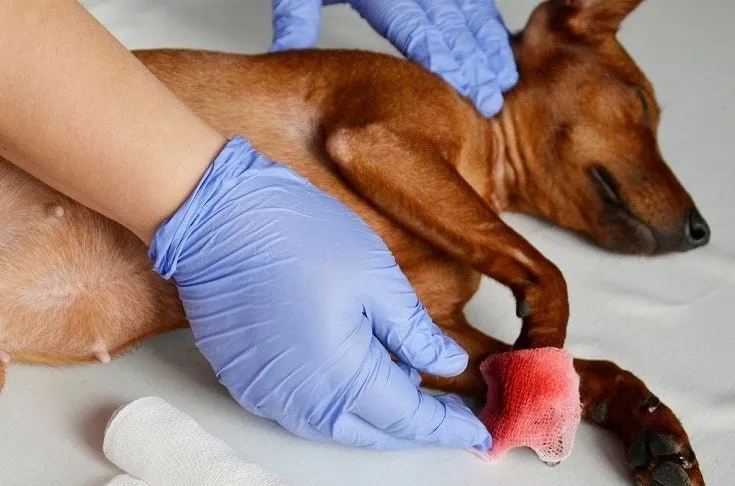
The journey through a medical emergency begins with a systematic process called triage. Upon arrival at the facility, a trained technician or veterinarian will perform a rapid physical assessment to determine the urgency of the situation. Animals with life-threatening conditions, such as respiratory distress or active hemorrhaging, are moved to the treatment area immediately. If the patient is stable, they might wait briefly while the medical team addresses more critical cases. This method is used to ensure that the most vulnerable patients receive life-saving attention first.
Diagnostic Procedures and Treatment Protocols
Once the patient is moved to the clinical area, several diagnostic tools are used to identify the root cause of the distress. Blood tests are performed to check organ function, and digital X-rays or ultrasounds allow the doctor to visualize internal injuries. Intravenous fluids are often started to maintain blood pressure and hydration during the stabilization phase. The veterinarian will discuss the findings and the proposed treatment plan with you as soon as the initial results are available. Every decision is made with the goal of returning the animal to a stable physiological state.
Communication and Hospitalization
Clear communication between the medical staff and the pet owner remains a top priority throughout the emergency visit. You will be provided with regular updates on the condition of your pet and the estimated costs of the necessary procedures. In many cases, an animal must be hospitalized for overnight monitoring to ensure they do not suffer a relapse. Specialized equipment, such as oxygen cages and heart rate monitors, is used to track the progress of the patient around the clock. If surgery is required, the risks and benefits are explained in detail before any work begins.
Seeking Help from a Professional Veterinarian
Bench Animal Hospital provides dedicated support for pet owners facing unexpected health challenges in Boise, ID. Preparation involves keeping a record of your pet's current medications and medical history in a location that is easy to access. To learn more or schedule an appointment, call our office at (208) 345-6771. Your quick action combined with professional expertise offers the best chance for a positive outcome for your beloved companion.